February 13, 2026
Choosing the perfect shade solution for your outdoor living space is a significant decision for any homeowner in Louisiana. Whether you're looking to escape the intense heat of a July afternoon or want to protect your patio furniture from sudden rain showers, the right awning can transform an underutilized deck into a comfortable sanctuary.
At ATP Industries, LLC, we understand that every backyard has unique requirements based on its orientation, size, and intended use. The primary debate usually centers on two main contenders: fabric and metal. Both materials offer distinct benefits and aesthetic profiles that cater to different lifestyles.
Examining the Versatility of Fabric Designs
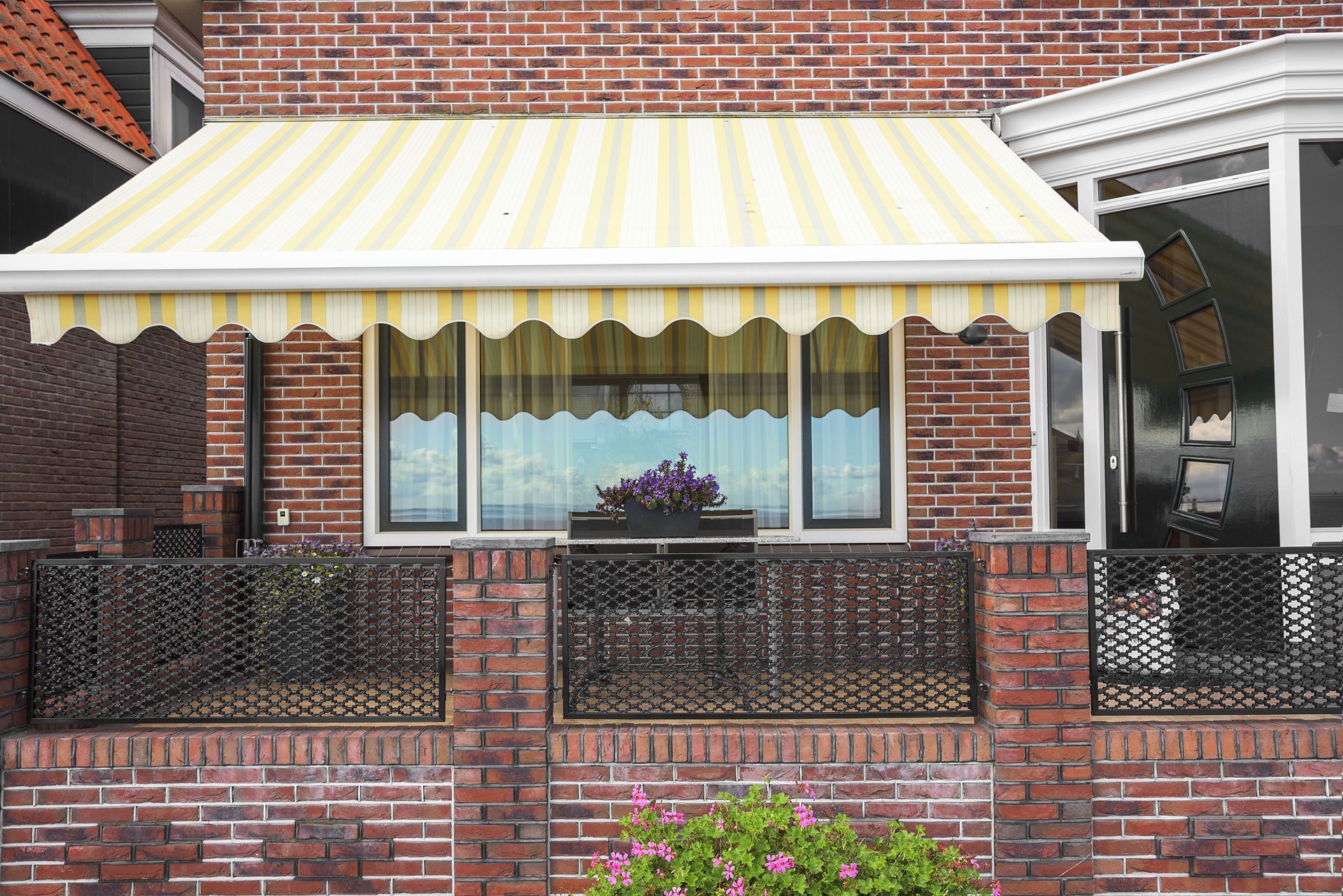
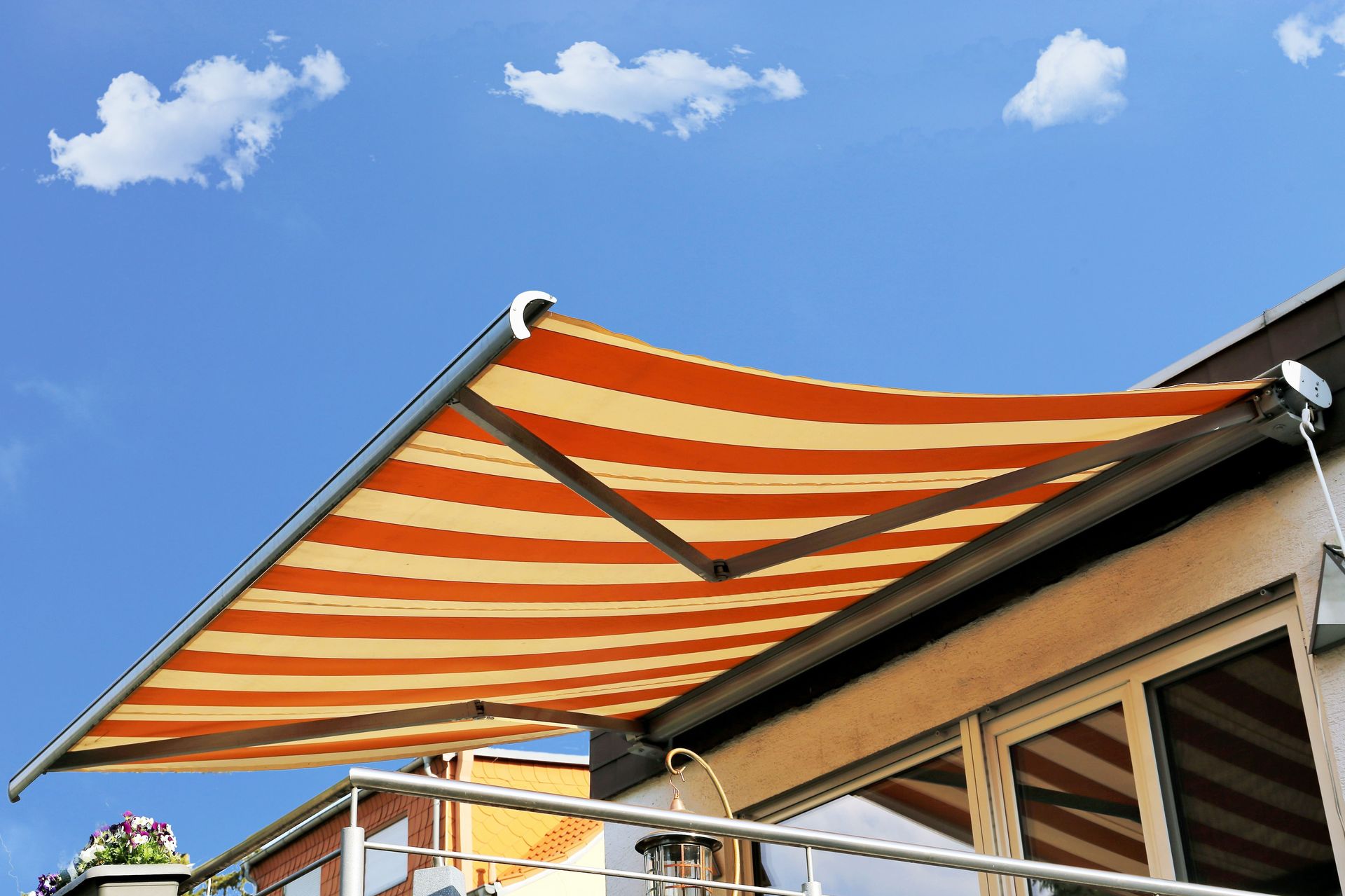
One of the most appealing aspects of fabric awnings is the sheer level of customization they offer. Because fabric is pliable and available in thousands of colors, patterns, and textures, it allows for a high degree of creative expression. Homeowners can select a bold striped pattern to create a coastal vibe or choose a neutral solid tone that blends seamlessly with the existing architecture.
Beyond the visual appeal, fabric awnings provide a soft and inviting atmosphere that complements traditional and contemporary homes alike. They're particularly effective at absorbing sound, which can make a patio feel more intimate and quiet. This material choice is ideal for those who prioritize aesthetic flexibility and want the ability to update their look every few seasons by simply swapping out the textile cover.
Assessing the Durability of Metal Systems
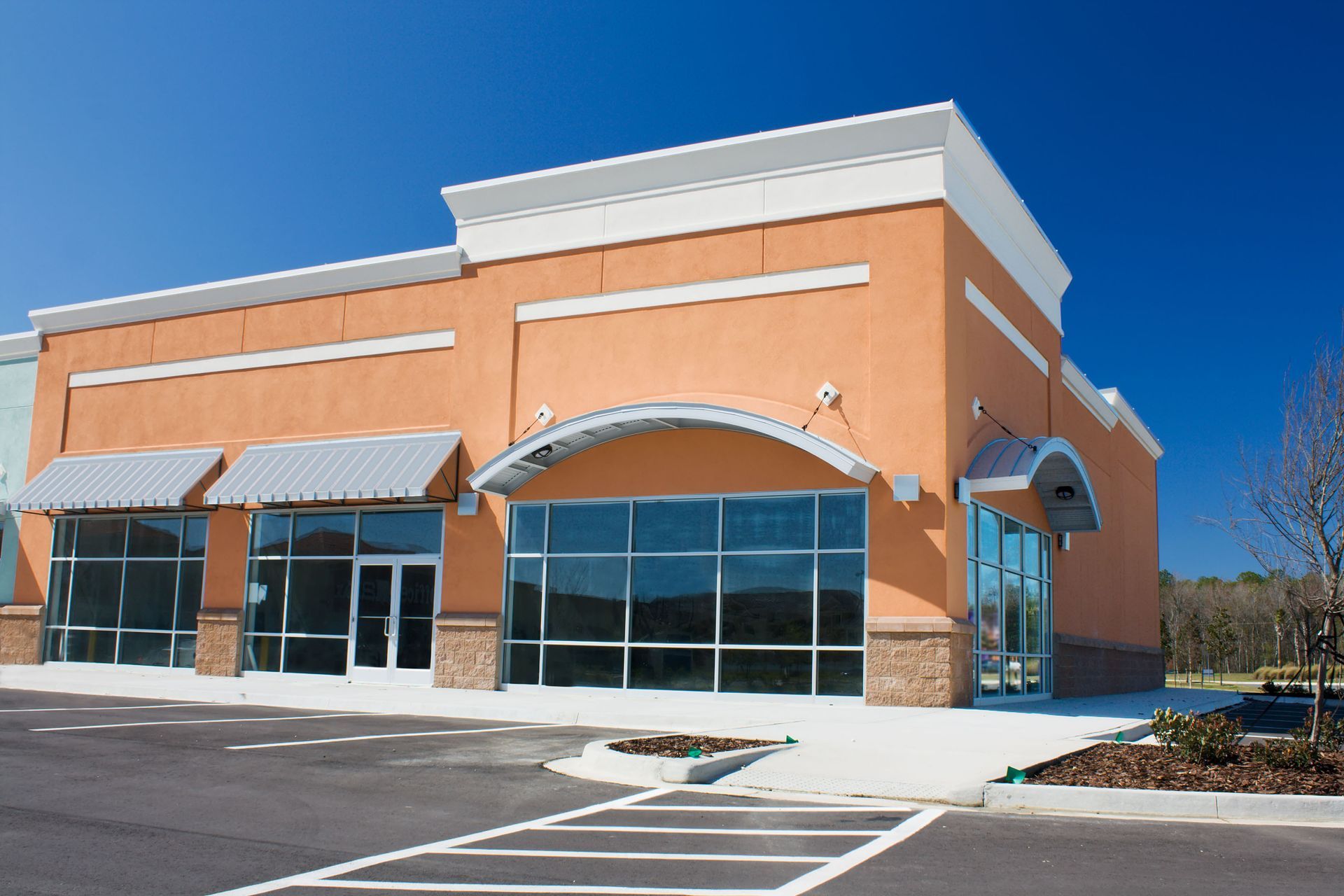
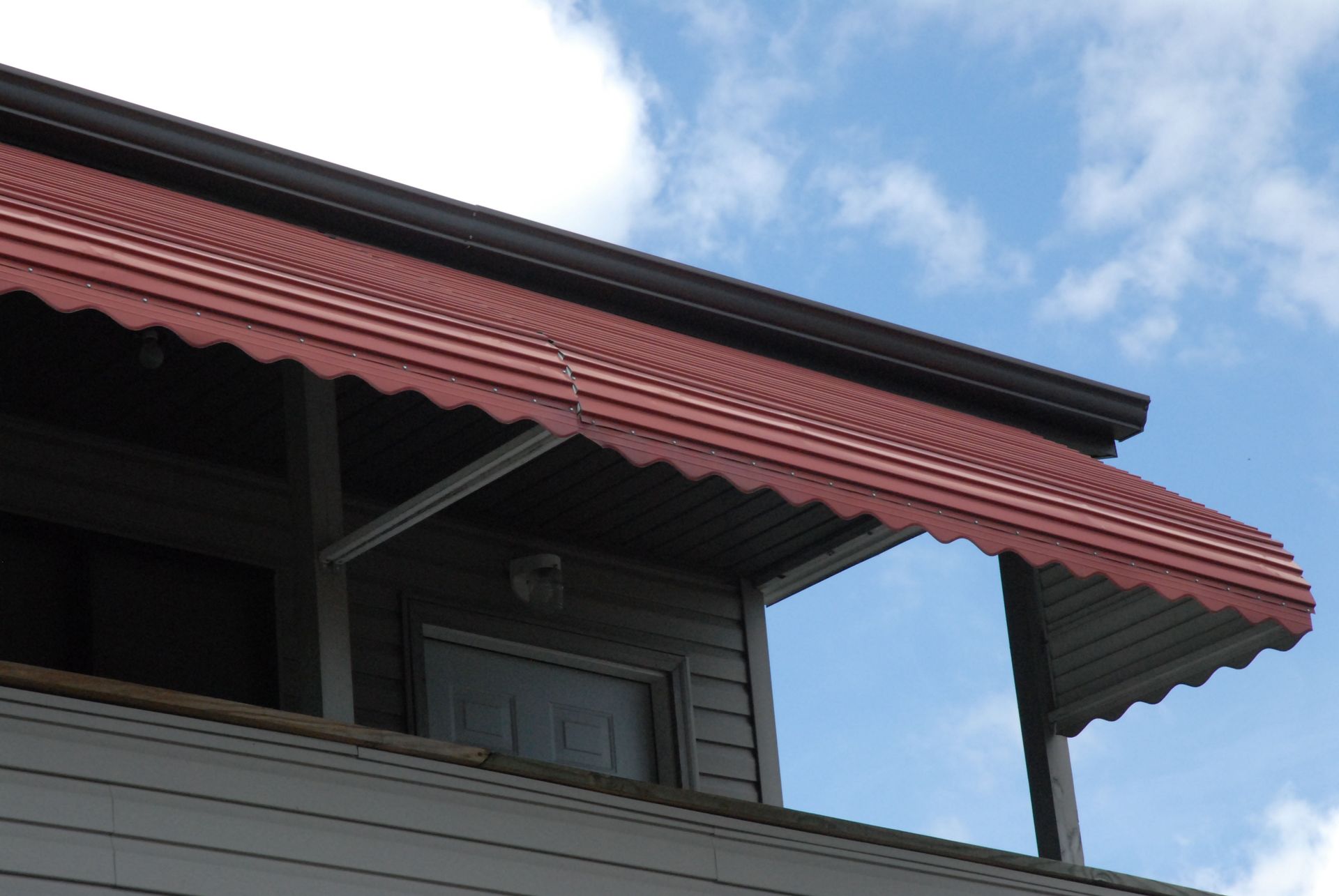
When it comes to sheer longevity and resilience against the elements, metal awnings are often considered the industry standard. Typically constructed from high-grade aluminum, these structures are designed to withstand heavy winds and significant debris without denting or tearing. Unlike materials that might fade or fray over time, metal remains structurally sound for decades with minimal intervention.
We know that durability is a top priority given our regional weather patterns. Metal systems don't rot, mold, or mildew, which makes them a low-maintenance alternative for busy families. While they may not offer the soft texture of fabric, their architectural presence adds a sense of permanence and strength to the home exterior.
Evaluating the Longevity of Modern Materials
The lifespan of your shade structure is a critical factor in determining its overall value. Fabric awnings typically require more frequent attention than their metal counterparts. High-quality acrylic fabrics are treated to resist fading and water, but they'll eventually show signs of wear after several years of exposure to intense ultraviolet rays. On the other hand, metal awnings are nearly impervious to the sun. They don't lose their structural integrity even after twenty years of service.
However, it's important to note that the global interest in these products is reaching an all-time high. According to Allied Market Research, the international awning industry saw a 6.2% increase in growth during the period from 2018 to 2025. This growth indicates that more manufacturers are investing in advanced coatings for both fabric and metal, ensuring that today's consumers receive a product that lasts much longer than those available in previous decades.
Analyzing the Maintenance of Your Investment
Maintaining the appearance of your patio cover is essential for preserving your home's curb appeal. Fabric awnings require a bit of regular upkeep to prevent the buildup of dirt and organic matter. We recommend a gentle brushing and a light rinse with a garden hose once a month to keep the material looking fresh. If deep stains occur, a mild soap solution is usually sufficient to restore the color.
Conversely, metal awnings are famously easy to care for. Because the surface is nonporous, dirt and pollen tend to wash away during rainstorms. A quick annual spray with a hose is typically all that is needed to maintain a metal structure. For those who prefer a set-it-and-forget-it approach to home maintenance, metal is the clear winner, whereas those who enjoy the ritual of seasonal cleaning may find fabric awnings to be a rewarding choice.
Considering the Climate of the Local Region
In our specific region, the weather plays a massive role in which material will perform best. Louisiana is known for high humidity and heavy rainfall, both of which can impact the performance of outdoor structures. Fabric awnings are excellent for providing shade and keeping the area beneath them significantly cooler by allowing for some air circulation through the weave of the cloth. This breathability is a major advantage during the hottest months of the year.
However, metal awnings excel at shedding heavy water quickly and can handle the weight of falling branches during stormy weather much better than a tensioned fabric. When choosing between the two, you must weigh the cooling benefits of fabric against the heavy-duty protection offered by metal. Both options are engineered to perform well, but their strengths manifest differently depending on the specific weather event.
Reviewing the Cost of Long-Term Ownership
Initial price points often sway the decision-making process for many homeowners. Generally speaking, fabric awnings tend to have a lower upfront cost for both the materials and the installation. This makes them an attractive option for those looking to enhance their outdoor space on a tighter budget. However, because the fabric will eventually need to be replaced, the long-term cost of ownership can rise over time.
Metal awnings require a larger initial investment because the materials are more expensive and the installation is more labor-intensive. Despite the higher entry price, a metal awning can stay in place for thirty years or more without needing a major overhaul. When you calculate the cost per year of service, metal often proves to be the more economical choice over the span of several decades, while fabric awnings offer a lower barrier to entry for immediate shade.
Understanding the Energy Efficiency of Shade
Both types of awnings contribute significantly to the energy efficiency of your home. By blocking direct sunlight from entering your windows and sliding glass doors, these structures can reduce indoor temperatures and lower your cooling costs during the summer. Fabric awnings are particularly effective because they don't heat up as much as metal when exposed to direct sunlight. The fabric acts as a thermal barrier that keeps the heat from radiating toward the house.
Metal awnings can also be highly efficient, especially if they're finished with reflective coatings that bounce solar energy away from the building. Regardless of which material you select, adding a patio cover is one of the most effective ways to reduce your carbon footprint and make your indoor living spaces more comfortable without relying solely on air conditioning.
Ultimately, the choice between these two excellent materials comes down to your personal priorities and the specific goals you have for your outdoor space. If you value a soft aesthetic, vibrant colors, and the ability to retract your shade, then fabric awnings are likely the best fit for your home. If you prioritize maximum durability, minimal maintenance, and a permanent architectural addition, then a metal system will serve you well for years to come.
We take the time to measure your space, evaluate the sun exposure, and recommend a solution that balances form and function perfectly. Your patio should be a place of relaxation and joy, and the right awning is the key to unlocking that potential. Contact the team at ATP Industries, LLC today to schedule your consultation and find the perfect shade solution for your home.