December 15, 2025
Commercial awnings have become a familiar and valuable feature in architectural design, and they continue to influence the character and usability of many commercial properties. These structures support both appearance and function by shaping how a storefront communicates its identity and how a building interacts with its surroundings. According to the Department of Energy, heat transfer through windows contributes to 25% to 30% of residential heating and cooling energy consumption, and this fact highlights the value of thoughtful shading strategies.
Exploring the History of Commercial Awnings
Early Architectural Origins
Awnings can be traced back to ancient civilizations where woven materials offered shade for markets, gathering spaces, and homes. These early coverings were simple, but they effectively addressed daily needs for shade and weather protection. The basic usefulness of this concept established a foundation for awning design long before modern construction practices emerged.
Industrial-Era Material Advancements
As cities expanded and commerce intensified, awnings shifted from temporary coverings to more intentional architectural elements. The Industrial Revolution introduced metal frames and improved fabric options, which made awnings sturdier and more adaptable for storefronts. These advances helped transform awnings into consistent and recognizable features along commercial corridors.
Modern Fabrication Innovations
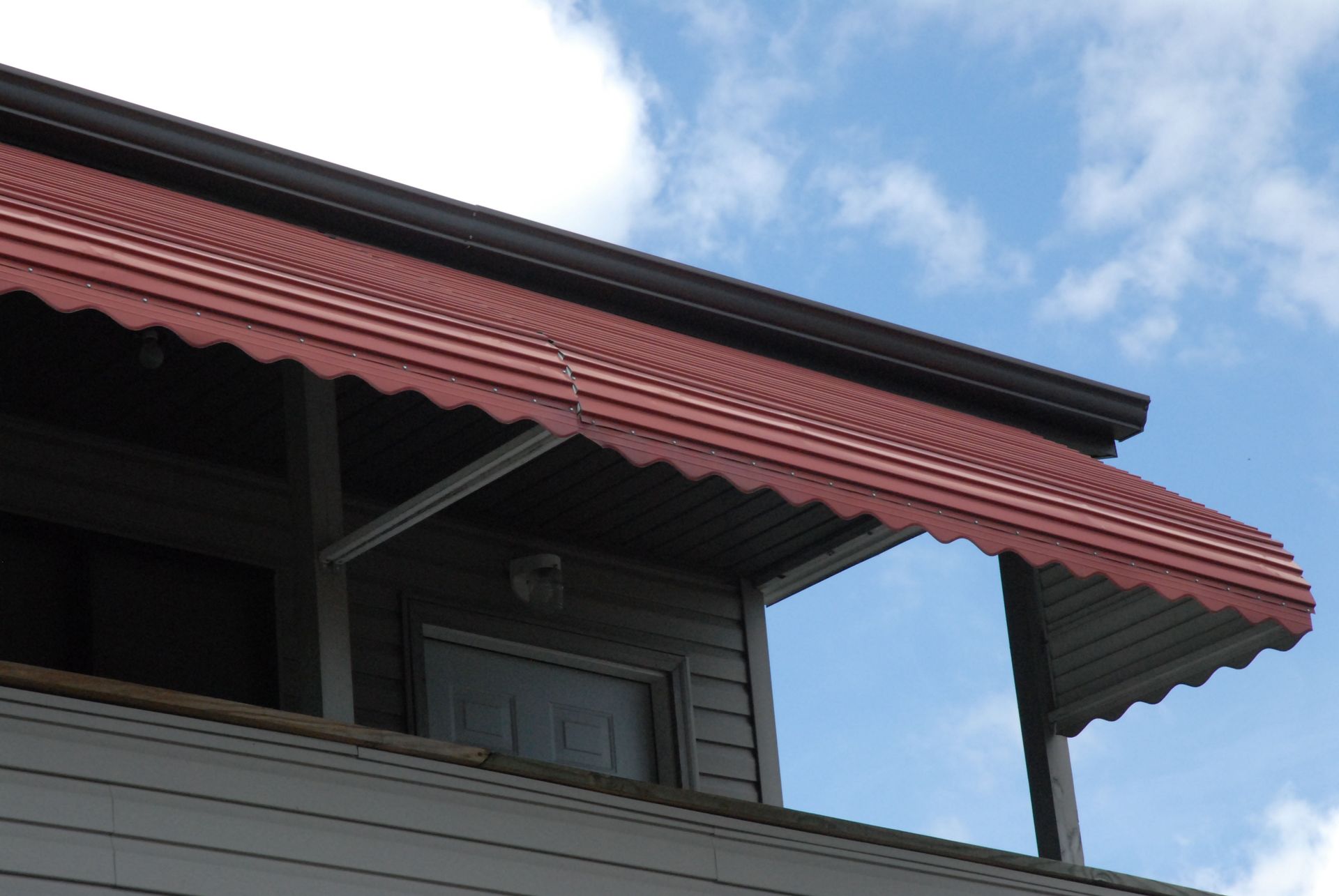
Improved metals, high-performance textiles, and enhanced fabrication methods allow businesses to pursue highly tailored awning designs. Powder-coated steel, long-lasting fabrics, and custom sheet-metal components work together to reinforce both appearance and structural reliability. These material options also support a wide range of aesthetic goals for contemporary building design.
Custom fabrication enables coordinated trim, flashing, and metalwork that contribute to a cohesive finish. Working with experienced fabricators makes it possible to match dimensions precisely and accommodate window spacing, door heights, and parapet lines. These choices help ensure that the finished awning performs reliably and integrates smoothly with the building facade.
Understanding the Aesthetic Value of Commercial Awnings
Distinctive Building Character Enhancements
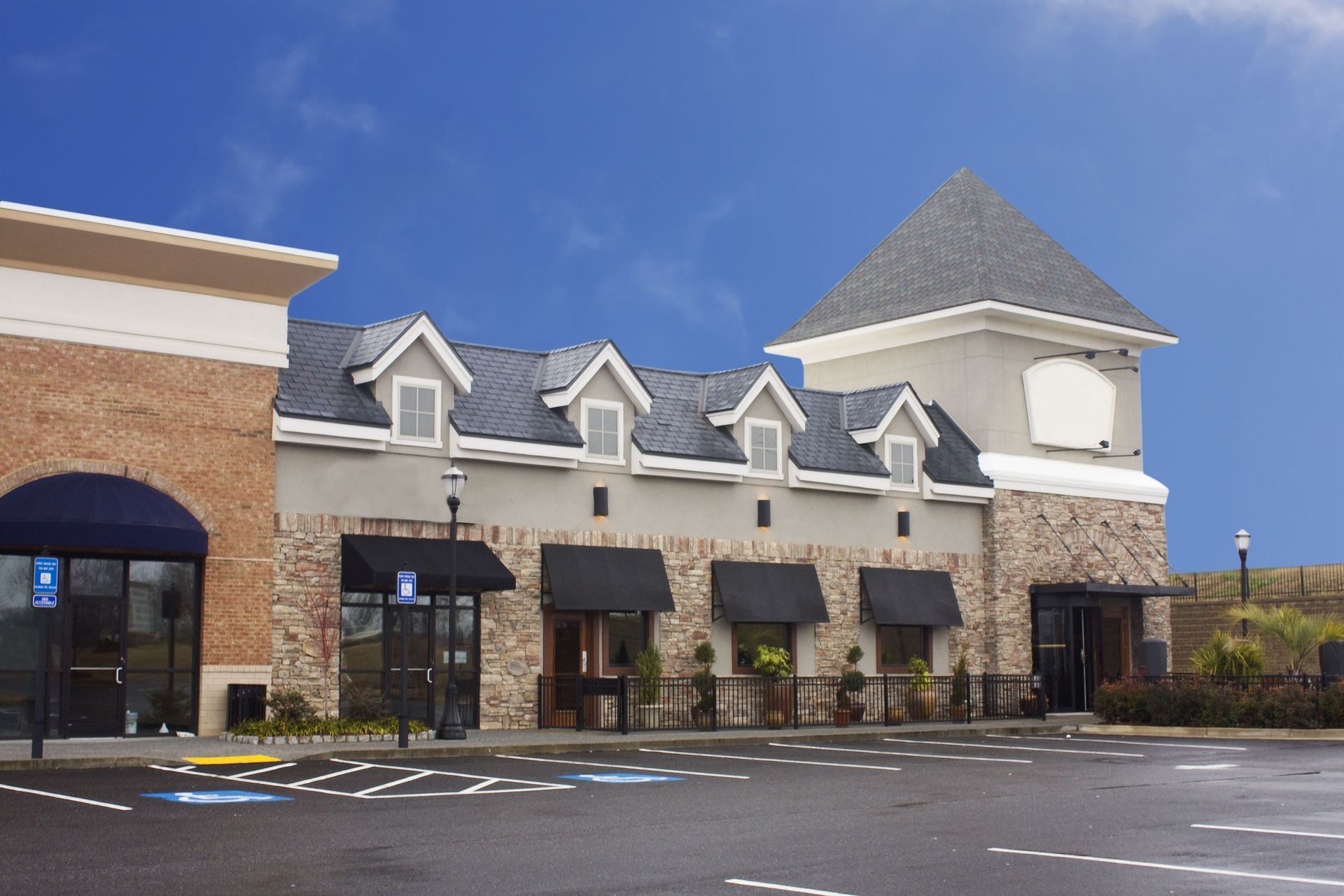
Awnings often serve as one of the first visual cues people notice when approaching a commercial property. Their proportions, materials, and color choices influence a building's style and presence. Because awnings can be shaped and finished in many ways, they easily support a wide range of architectural directions.
Purposeful Use of Color, Shape, and Texture
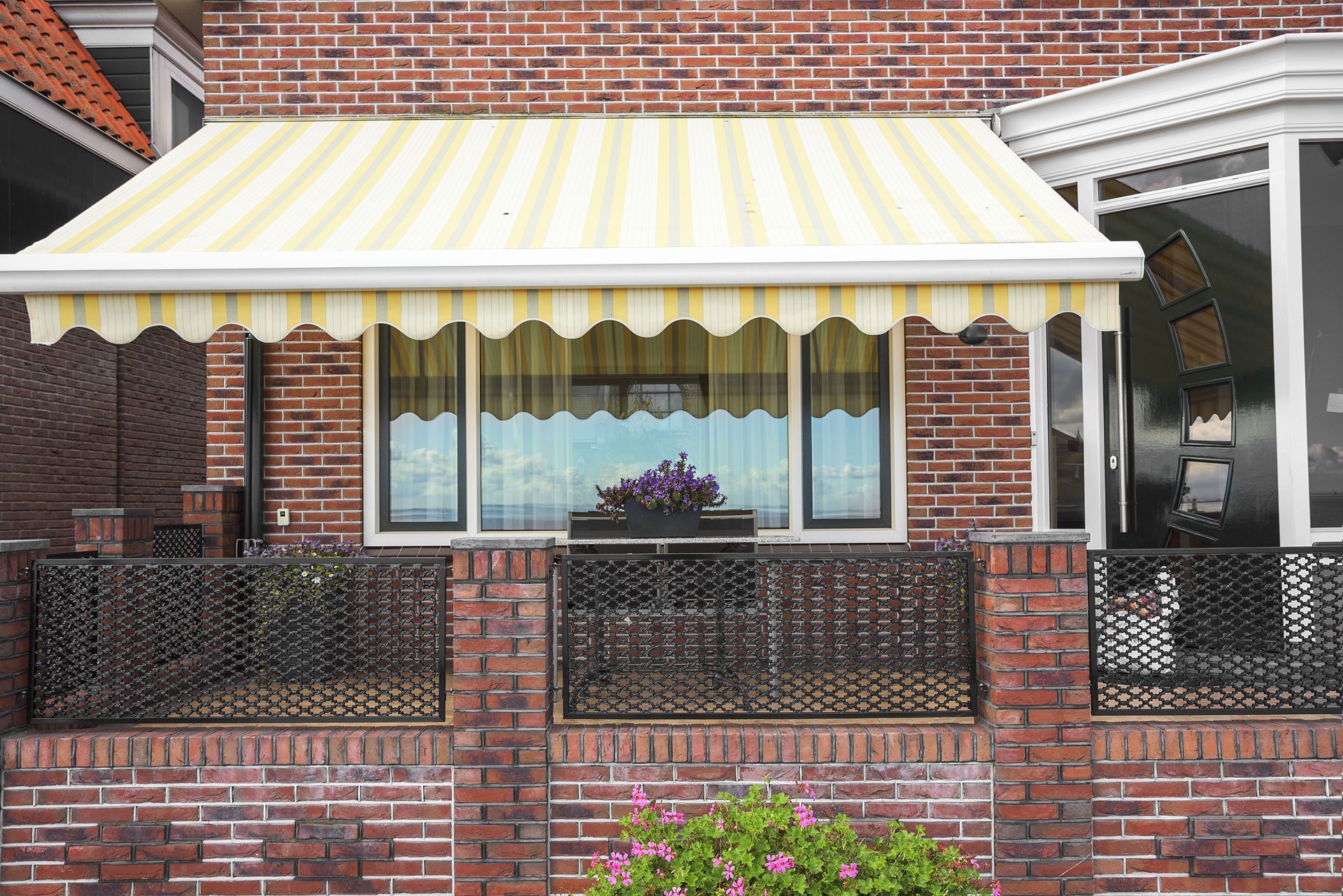
Fabric and metal awnings allow for varied textures, finishes, and color palettes that contribute to curb appeal. Smooth metal, durable textiles, and clean framing lines shape the visual impression of a storefront and reinforce architectural details. These design decisions often reflect branding needs, neighborhood context, or natural lighting conditions.
Color and texture selections frequently involve collaborative planning among designers, owners, and fabricators. Lighter shades may reflect daylight and brighten the appearance of a facade, while darker tones create a visual anchor. Thoughtful coordination supports a consistent aesthetic language across a single property or throughout an entire commercial district.
Architectural Depth and Facade Definition
Awnings project outward from a facade, helping add dimension and interest to otherwise flat exterior surfaces. This projection breaks up large wall planes and softens strong lines, which creates a more engaging environment for pedestrians. In busy commercial settings, this additional depth can help a building stand out and feel more welcoming.
Identifying the Functional Advantages of Commercial Awnings
Reliable Everyday Weather Protection
One of the most practical benefits of awnings is the shelter they offer from sun and rain. They safeguard entryways, reduce weather exposure for windows and doors, and improve the day-to-day usability of exterior areas. These advantages help extend the lifespan of exterior finishes and enhance comfort for customers and visitors.
Routine maintenance supports long-term performance by preventing small issues from becoming larger problems. Cleaning fabrics, checking fasteners, and inspecting seams or coatings can meaningfully extend service life. When installation and upkeep are handled carefully, an awning continues to provide dependable protection across seasons.
Expanded Outdoor Use Opportunities
Covered exterior areas expand usable space without the need for permanent construction. Cafes often rely on awnings to create shaded seating, while retail stores use them to protect exterior displays. These sheltered areas improve comfort and help businesses make more efficient use of their properties.
Targeted Light and Heat Management
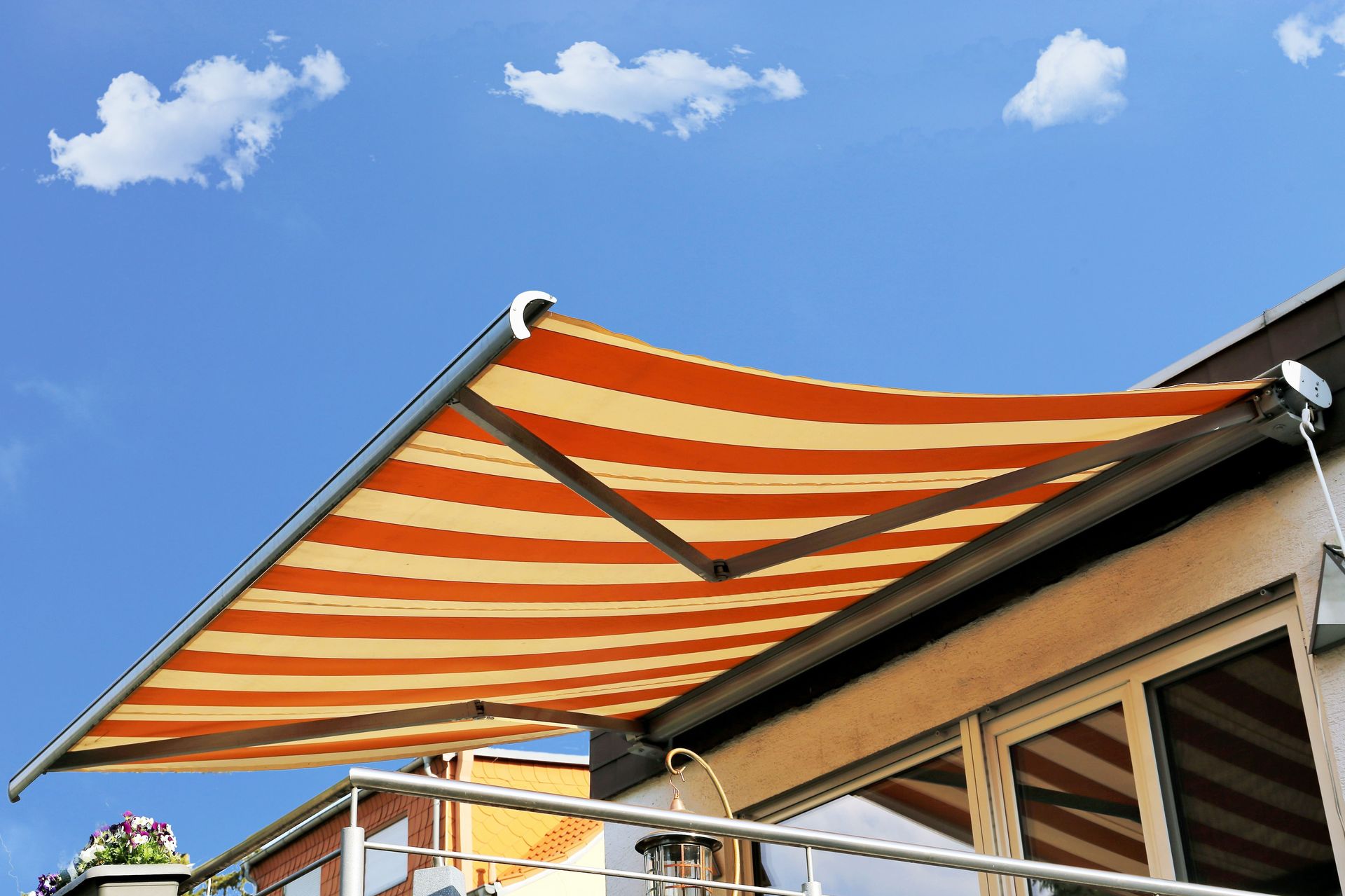
Awnings help reduce glare and strong solar exposure, creating more comfortable indoor environments. By limiting direct overhead light at windows and doors, they reduce heat buildup and support interior temperature moderation. This passive shading approach improves lighting conditions and helps maintain a pleasant indoor atmosphere.
Placement and orientation influence how effectively an awning controls light. Designers consider sun angles, glazing configurations, and building orientation to select appropriate depths and positioning. This thoughtful approach preserves useful daylight while reducing harsh sun during peak hours, improving both visual and thermal comfort.
Improving the Practical Efficiency of Commercial Awnings
Effective Temperature Moderation Strategies
Awnings offer practical advantages by reducing the amount of direct sunlight that enters a building. Less solar exposure leads to cooler interior temperatures and reduces strain on cooling systems during warm seasons. This moderate and passive approach helps support comfort without requiring specialized technology.
Durable Long-Term Construction Methods
Modern awning construction uses strong metals and weather-resistant fabrics designed to withstand long-term exposure. These materials help maintain appearance, structural integrity, and performance. As a result, awnings remain dependable components in long-range commercial planning efforts.
Enhancing the Branding and Visual Identity of Commercial Awnings
High-Visibility Signage Integration
Awnings naturally provide visible and accessible spaces for branding elements. Their placement along storefronts allows businesses to display colors, logos, or patterns that reinforce brand identity. These visual cues create memorable impressions for both new and returning customers.
Elevated Curb Appeal Features
An attractive awning helps define the look of a storefront and encourages customer engagement. Coordinated colors, clean profiles, and purposeful design choices signal attentiveness and professionalism. In competitive commercial environments, these details can shape customer expectations before they step inside.
Positive Customer Experience Cues
A shaded and well-defined entryway creates a welcoming first impression for visitors. Customers often associate a polished exterior with quality and care, which influences how they perceive the interior experience. Awnings help create this initial sense of comfort and clarity.
Evaluating the Future Importance of Commercial Awnings
Evolving Customization Possibilities
As architectural preferences shift, customized awning fabrication remains a key part of many commercial projects. Tailored framing, precise metalwork, and made-to-measure fabrics allow awnings to adapt to new building styles. These options support both contemporary aesthetics and long-range design goals.
Balanced Practical and Design Solutions
The ongoing value of awnings depends on combining durable construction with thoughtful design. As fabrication methods advance, businesses can refine profile, finish, and fabric choices to meet long-term needs. In many cases, simple adjustments or refinishing can refresh an awning without requiring full replacement.
Going forward, the emphasis will likely remain on pragmatic solutions that respect both budgetary and aesthetic considerations. Owners and designers will continue to weigh choices about profile, finish, and fabric with an eye toward maintainability and long-term appearance. In many cases, straightforward adjustments or refreshes can keep an awning current without wholesale replacement, ensuring it continues to meet both functional and design objectives.
Awnings continue to play an important role in architecture, offering visual interest and daily function for a wide range of commercial properties. Our presence can shape how outdoor areas are used and help elevate the appearance of a storefront. With dependable materials and thoughtful custom fabrication, commercial awnings remain a practical option for enhancing comfort and design. To learn more about tailored awning solutions, businesses can look to ATP Industries, LLC.